
Washing is where raw denim becomes a product people love. Two identical pairs of jeans can retail at completely different prices purely because of the wash. Here is how the main industrial denim washing techniques work, what effects they create, and how brands should specify them.
Stone washing
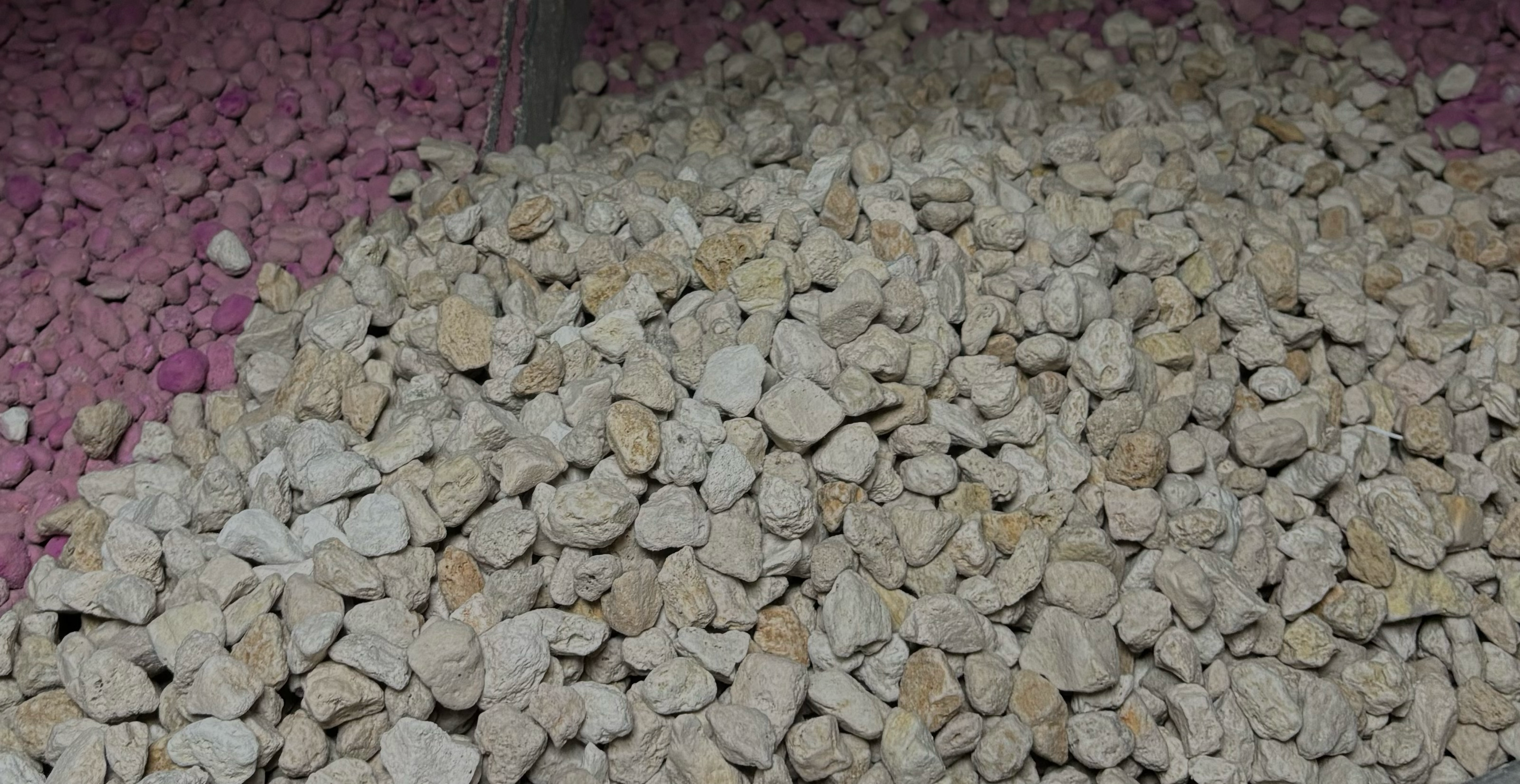
Garments tumble with volcanic pumice stones that abrade the surface, producing the classic worn-in, faded look. Stone size, load and cycle time control the intensity. Stone washing remains the backbone of vintage-look denim.
Enzyme washing
Cellulase enzymes eat away surface fibres, softening the fabric and creating a gentle faded effect with far less water and energy than stones. Enzyme washes are the modern, more sustainable route to a lived-in feel, and they are gentler on the fabric.
Bleach, rinse and tinting
Bleaching lifts indigo for light-blue and ice washes. A simple rinse wash removes starch and controls shrinkage while keeping the dark shade — the standard for raw-look denim. Tinting adds yellow, brown or grey casts for vintage character.
Hand finishing: whiskers, grinding, distressing
After washing, artisans add whiskers at the hips, sand high-wear zones, grind hems and create controlled rips. This handwork is what separates premium denim from mass product — every pair gets individual attention. At ASF Moda all washing and hand finishing happens in our own laundry, so a brand’s reference wash can be reproduced consistently across the whole production run.
Frequently asked questions
Which denim wash is the most sustainable?
Enzyme and rinse washes use the least water and chemicals. Modern laundries also combine enzyme technology with optimised stone processes to reach classic looks with lower impact.
How do I specify a wash to my manufacturer?
Send a physical or photo reference. A capable laundry develops a wash recipe, sends you a leg panel or sample for approval, and then locks the recipe for bulk production.
Why do washes vary between factories?
Water hardness, machines, stones and operator skill all differ. This is why keeping washing in-house — rather than outsourced — is critical for consistency.