
Fabric decides how a pair of jeans looks, feels, ages and sells. This guide covers the denim fabric fundamentals every brand founder and buyer should know: weight, stretch, weave and shade — and how each choice affects cost and customer experience.
Denim weight: from summer-light to heavyweight
- Under 10 oz: shirts, dresses, summer jeans — soft drape, fast break-in.
- 10-13 oz: the versatile core for most five-pocket jeans and jackets.
- 13-16 oz: sturdy, structured denim with strong fade character.
- 16 oz and up: heavyweight workwear and enthusiast raw denim.
Stretch: comfort vs authenticity
100% cotton denim gives authentic structure and ages beautifully but demands a break-in period. Adding 1-3% elastane creates comfort stretch that dominates womenswear and modern men’s fits. Recovery — how well fabric snaps back — matters more than stretch percentage: poor recovery means bagged-out knees by noon.
Selvedge and weave
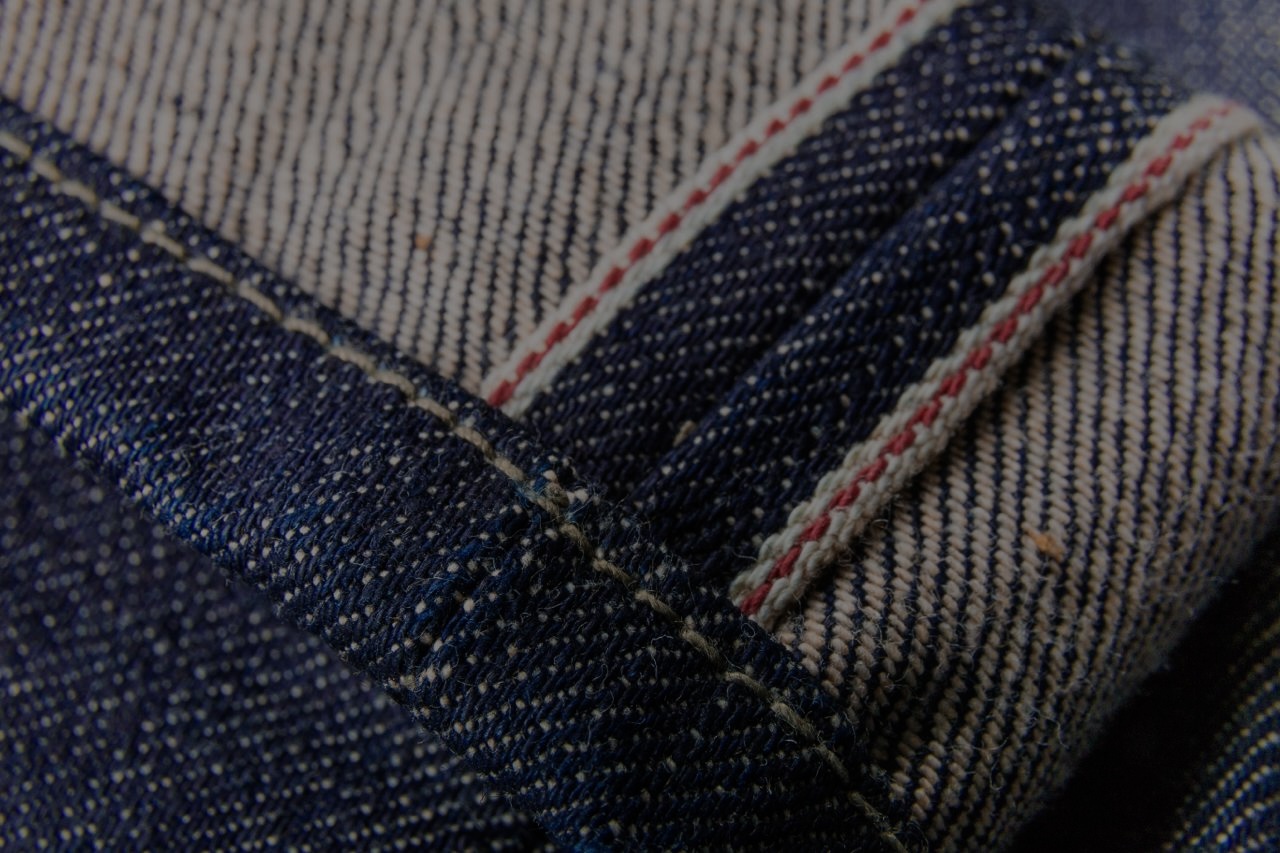
Selvedge denim is woven on narrow shuttle looms, producing the clean self-finished edge visible on turned-up cuffs — a premium marker beloved by denim enthusiasts. Right-hand twill is the standard weave; left-hand twill feels softer after washing; broken twill resists leg-seam twist.
How ASF Moda sources fabric
We work with premium Turkish and international mills and test every lot before it reaches the cutting table: strength, stretch and recovery, shrinkage and wash behaviour, plus shade banding for colour consistency across a production run. Brands receive fabric options matched to their target handfeel, wash and price point.
Frequently asked questions
What denim weight is best for a first collection?
11-12.5 oz with 1-2% elastane covers the widest audience: substantial enough to feel premium, comfortable enough for daily wear.
Does selvedge mean better quality?
Not automatically — it signals traditional weaving and usually premium yarns, but a great non-selvedge denim can outperform a mediocre selvedge. Judge the fabric, not just the edge.
Why does fabric shade vary between rolls?
Indigo dyeing varies batch to batch. Professional factories cut each garment from a single shade band and manage shade continuity across the order — ask your manufacturer how they handle it.