
A pair of jeans passes through more than a hundred hands before it reaches a store shelf. Here is the full industrial production cycle — the same nine steps every pair goes through at a full-cycle denim factory like ASF Moda in Istanbul.
Steps 1-3: engineering the garment
- Pattern making: the design becomes precise 2D pattern pieces with seam allowances and shrinkage compensation.
- Grading: the base pattern scales across the size range following the brand’s size chart.
- Marker making and cutting: patterns are nested digitally to minimise fabric waste, then cut through dozens of fabric layers at once.
Steps 4-6: assembly
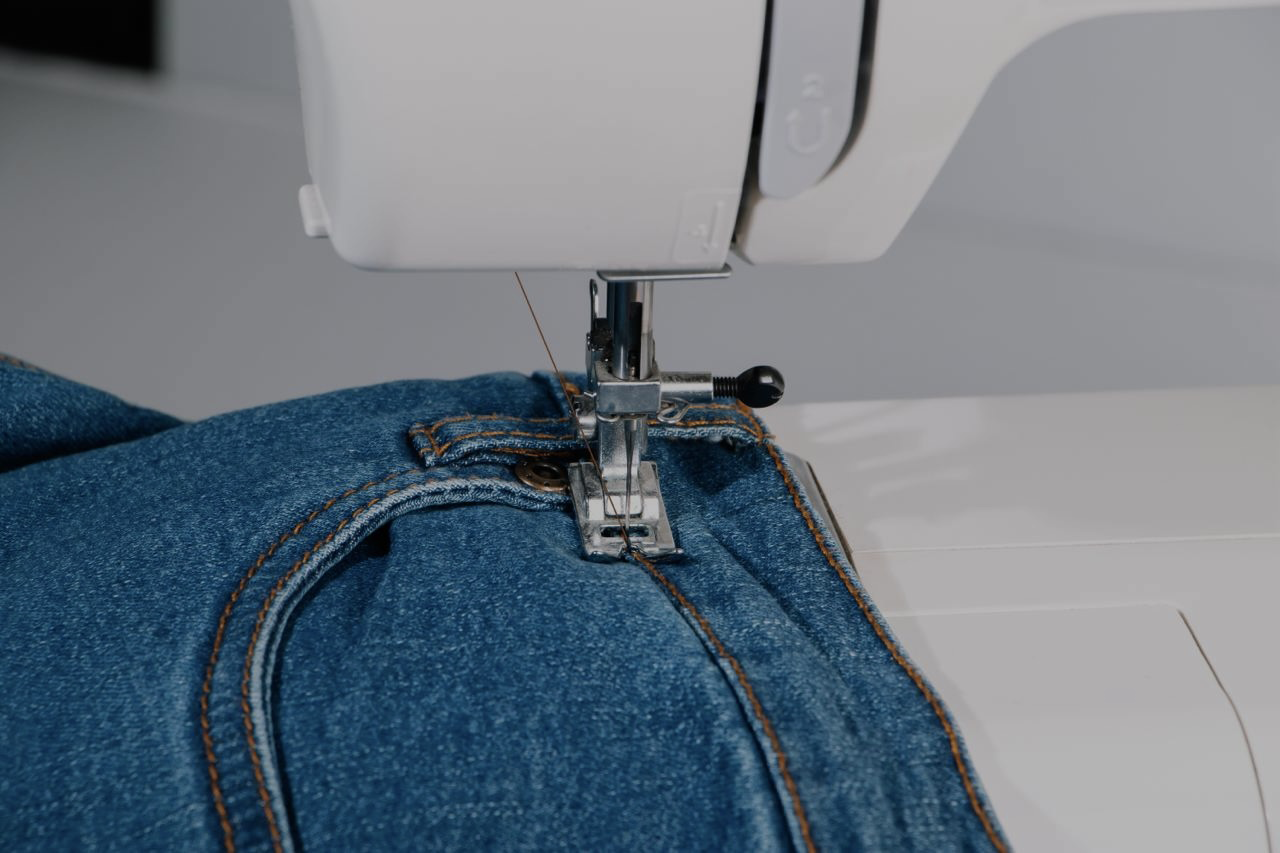
- Sewing: specialised operators chain-stitch, fell seams, set pockets and attach waistbands along a production line.
- Hardware: rivets, buttons and zippers are set with calibrated machines.
- In-line quality control: measurements and seams are checked during assembly, not only at the end.
Steps 7-9: character and delivery
- Washing and finishing: stone, enzyme or bleach washes plus hand-finishing give each style its character.
- Final inspection: every piece is checked against the spec sheet — measurements, hardware, wash consistency, appearance.
- Pressing, labelling and packing: garments are pressed, tagged and packed to the brand’s retail standard, then exported.
Why the full cycle under one roof matters
When pattern, sewing, washing and QC belong to different companies, every handover adds delay and quality risk. A full-cycle factory closes that loop: the pattern team compensates for the laundry’s shrinkage data, QC feeds back to sewing lines within hours, and one partner stays accountable for the result.
Frequently asked questions
How long does it take to make a pair of jeans?
Pure production time is under two hours of work per pair, but a bulk order flows through the full cycle in 4-8 weeks including fabric, washing and QC.
How many operations does one pair of jeans need?
A classic five-pocket jean takes roughly 35-50 sewing operations plus washing, finishing and finishing-line steps.
What causes most quality problems in denim production?
Uncompensated wash shrinkage and outsourced washing are the two biggest culprits — both solved by keeping pattern and laundry teams inside one factory.